- Artichokes
- Asparagus
- Beans
- Beets
- Broccoli
- Brussels Sprouts
- Burdock
- Cabbage
- Cardoon
- Carrots
- Cauliflower
- Celery and Celeriac
- Chicory
- Chinese Cabbage
- Collards
- Corn
- Cucumbers
- Eggplant
- Fennel
- Garlic
- Gourds
- Greens
- Horseradish
- Husk Cherry
- Kale
- Kalettes
- Kohlrabi
- Leeks
- Lettuce
- Melons
- Microgreens
- Mushrooms
- Okra
- Onions
- Parsnips
- Peas
- Peppers
- Potatoes
- Pumpkins
- Radishes
- Rutabagas
- Salsify
- Scorzonera
- Shallots
- Shoots
- Spinach
- Sprouts
- Squash
- Sweet Potatoes
- Swiss Chard
- Tomatillos
- Tomatoes
- Turnips
- Watermelons
- Zucchini
Saffron Crocus
$10.00
Description
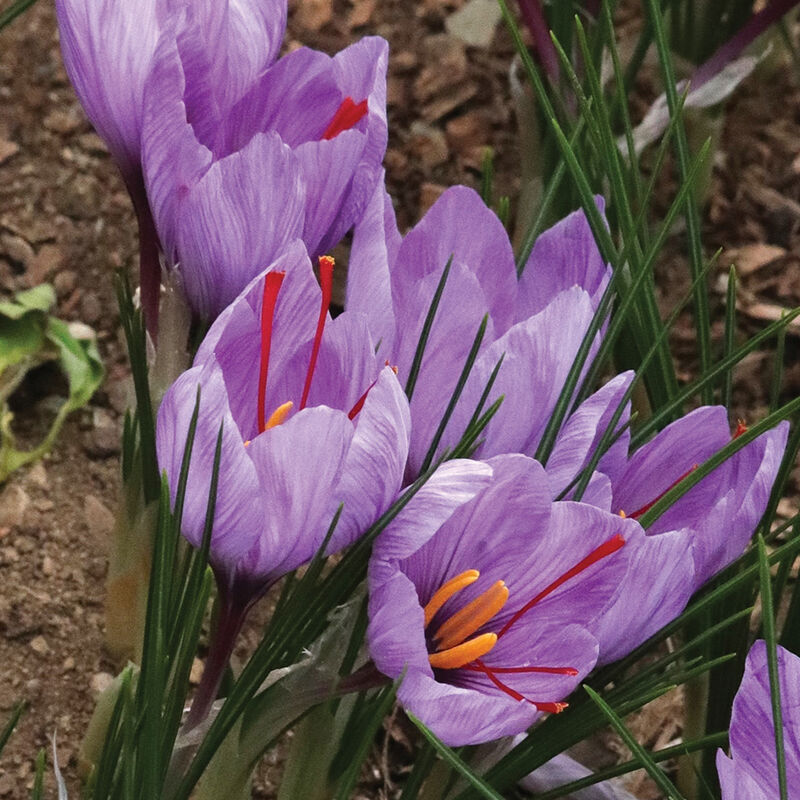
A culinary specialty. Saffron spice is produced by harvesting and drying the stigma of the saffron crocus flower. Plants bloom in the fall, yielding multiple lavender blooms with striking red thread-like stigmas. Sweetly fragrant blooms closely resemble spring-flowering crocus and are a welcome source of color in autumn gardens. Growing Saffron Crocus is an economical way to obtain saffron spice, which can be expensive when store-bought. Perennial in Zones 5–8 but known to perennialize in Zone 4. Saffron crocus is sensitive to photoperiod and can only grow between latitudes 30° and 50°. Plants grow from bulb-like root structures, called corms, and are planted in early fall. You can expect each corm to produce 2 to 4 flowers and each flower to produce 3 stigmas (threads of saffron). To harvest, hand-pick flowers before they are fully open. While still fresh, separate the stigmas from the flowers. Air-dry and store. Native to Mediterranean climates. 9 cm+ bulb size 1 unit = 1 bulbSpecs:Plant Height: 4–6" flowers; 4–10" foliage
Shipping & Returns

Free Shipping & Returns
Enjoy 30-day hassle-free returns.
Order before 2:00PM for same-day dispatch!
Related products
Amish Paste
$10.00
Contessa
$10.00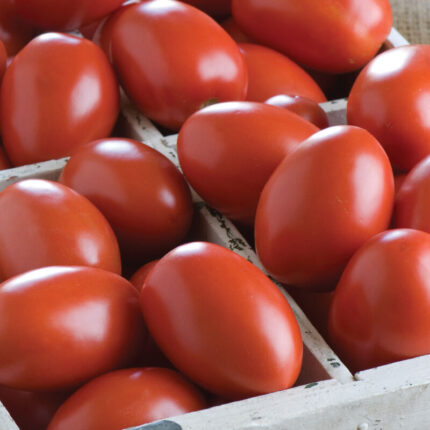
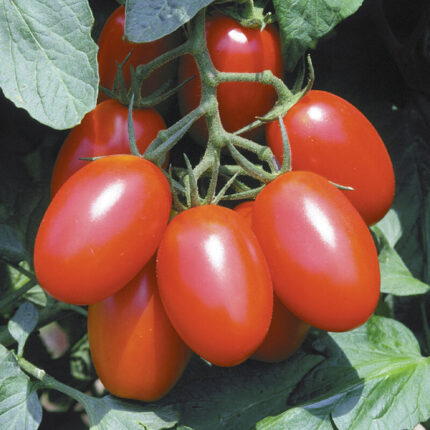
Juliet
$10.00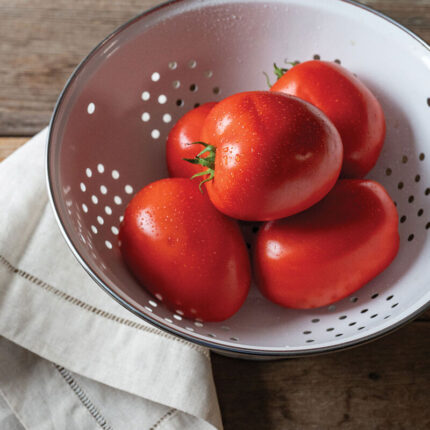
Kuzco
$10.00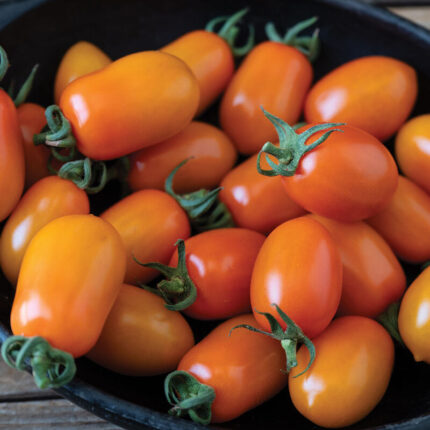
Mimosa
$10.00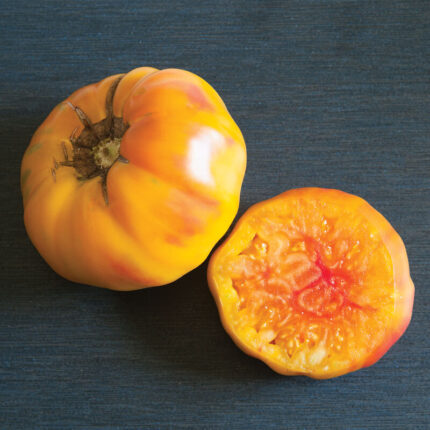
Striped German
$10.00